Source Photovoltaic Panel Strut Channel for Solar Mounting, Roof, and Industrial
Compare 30 listings for Photovoltaic Panel Strut Channel options including galvanized steel and stainless steel variants. Buyers can evaluate specifications like thickness, coating, and customization for solar mounting, roof angle brackets, and industrial applications.
Key considerations
Products List


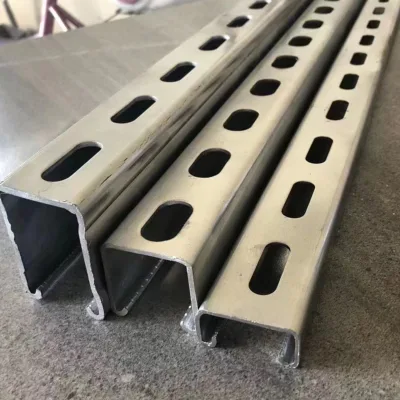


Solar Strut Channel Machine Photovoltaic Support Bracket Machine
$75000.00 - $85000.00
MOQ: 1 Sets
Zhangjiagang City Zhangyun Machinery Manufacturing Co., Ltd.


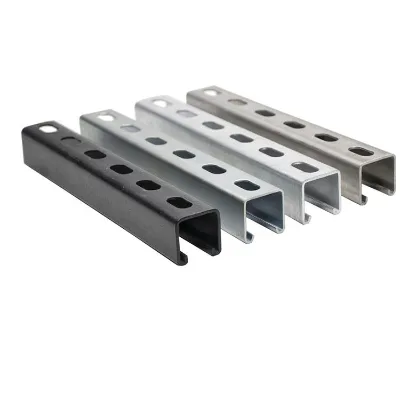


Comprehensive Sourcing Guide
Photovoltaic Panel Strut Channel Sourcing Guide
Sourcing photovoltaic panel strut channels requires a disciplined approach to balancing structural integrity, corrosion resistance, and cost efficiency. These components serve as the foundational support system for solar arrays, bearing the weight of panels while withstanding environmental stresses such as wind, snow, and thermal expansion. Buyers must navigate a market where materials range from standard carbon steel to high-grade stainless steel and aluminum, each offering distinct advantages in durability and price. The decision between these materials often hinges on the specific installation environment, whether it is a coastal region requiring high corrosion resistance or an inland site where cost-effective galvanized steel suffices.
The procurement process is further complicated by the availability of customized solutions versus standard off-the-shelf products. Many suppliers offer extensive customization options, including specific sizes, designs, cutouts, and surface finishes, to meet unique project requirements. However, customization introduces variables in lead times and quality control that must be managed carefully. Buyers need to establish clear specifications early in the sourcing process to ensure that the final product meets both engineering standards and project timelines. Understanding the balance between standardization and customization is key to optimizing the supply chain for large-scale solar installations.
Product Scope and Observed Listing Signals
The current market for photovoltaic strut channels exhibits a wide range of product attributes, reflecting the diverse needs of the solar industry. Observed listings indicate that products are typically categorized by their material composition, with common options including Q195, Q235, SS304, SS316, and aluminum. These materials are often processed through galvanization to enhance corrosion resistance, with zinc coating weights ranging from 30 to 600 grams per square meter. The thickness of the channels generally falls between 1.5 and 3.0 millimeters, providing the necessary structural strength for mounting solar panels. Buyers should note that these specifications are observations from current listings and may vary by supplier.
In addition to material and dimensions, the surface finish and color options are significant factors in product selection. Listings frequently mention silver or customized colors, with finishes such as galvanization being standard for outdoor applications. The tolerance for these channels is often specified as +/-1%, ensuring precision in assembly and installation. Furthermore, the length of the channels can vary from 2 to 12 meters or be customized to specific project needs. These observed signals provide a baseline for understanding the typical offerings in the market, but buyers must verify these details with individual suppliers to ensure they align with their specific project requirements.
Technical Specifications to Verify
When evaluating photovoltaic strut channels, buyers must prioritize the verification of technical specifications to ensure structural reliability. The material grade is a critical factor, with options like Q195, Q235, SS304, and SS316 offering different levels of strength and corrosion resistance. Stainless steel variants, such as SS304 and SS316, are particularly suitable for harsh environments due to their superior resistance to rust and chemical degradation. Buyers should request material certificates to confirm the grade and composition of the steel or aluminum used, ensuring that the product meets the specified mechanical properties.
Another essential aspect to verify is the galvanization process and zinc coating weight. The zinc coating provides a protective barrier against corrosion, and the weight of this coating can significantly impact the lifespan of the strut channel. Listings indicate a range of 30 to 600 grams per square meter, but buyers should confirm the exact coating weight with their supplier. Additionally, the thickness of the channel, typically between 1.5 and 3.0 millimeters, must be consistent throughout the product to prevent weak points. Buyers should also check the tolerance levels, which are often specified as +/-1%, to ensure precise fitment during installation.
Compliance and Safety Documentation
Compliance with international standards and certifications is crucial for ensuring the safety and quality of photovoltaic strut channels. Common certifications observed in the market include CE, ISO, TUV, and GB standards. These certifications indicate that the products have undergone rigorous testing and meet specific safety and performance criteria. Buyers should request copies of these certificates to verify that the supplier adheres to recognized quality management systems and product standards. Compliance with these standards not only ensures product quality but also facilitates smoother customs clearance and acceptance in various markets.
In addition to certifications, buyers should inquire about the testing procedures and quality control measures implemented by the supplier. This includes checks for material composition, mechanical strength, and corrosion resistance. Suppliers may provide test reports or third-party verification to demonstrate compliance with specific standards. Buyers should also consider the warranty offered by the supplier, which often reflects their confidence in the product's durability. A standard warranty period of two years is common, but buyers should review the terms and conditions to understand what is covered and for how long.
Cost Drivers and Commercial Terms
The cost of photovoltaic strut channels is influenced by several factors, including material prices, processing methods, and order volume. Material costs, particularly for stainless steel and aluminum, can fluctuate based on global market conditions. Buyers should monitor these trends to anticipate price changes and negotiate favorable terms. Processing methods, such as galvanization and custom cutting, also add to the overall cost. Suppliers may offer discounts for larger orders, so buyers should consider consolidating their purchases to achieve better pricing.
Commercial terms, such as minimum order quantity (MOQ) and payment terms, are also significant cost drivers. Observed MOQs range from 1 to 5000 units, with some suppliers requiring a minimum of 100 meters for certain products. Buyers should align their order quantities with their project needs to avoid excess inventory or production delays. Payment terms, including deposits and balance payments, should be clearly defined in the contract to mitigate financial risk. Additionally, shipping and packaging costs should be considered, as products are often shipped by sea or in standard shipping packaging.
Supplier Qualification and Quality Control
Selecting a qualified supplier is essential for ensuring the reliability and consistency of photovoltaic strut channels. Buyers should assess the supplier's production capabilities, including their use of CNC machinery and automated processes. Suppliers with advanced manufacturing equipment are more likely to produce high-quality products with consistent dimensions and finishes. Additionally, buyers should verify the supplier's experience in the solar industry, as this indicates a deeper understanding of the specific requirements and challenges associated with photovoltaic installations.
Quality control measures are another critical factor in supplier selection. Buyers should inquire about the supplier's quality management systems and inspection procedures. This includes in-process inspections, final product checks, and third-party testing. Suppliers with robust quality control systems are better equipped to identify and rectify defects before shipment. Buyers should also consider the supplier's after-sales support, including their ability to provide technical assistance and handle complaints. A supplier with strong customer service can help resolve issues quickly and maintain a positive working relationship.
Long-Term Procurement Checks
Long-term procurement of photovoltaic strut channels requires ongoing monitoring and evaluation to ensure continued quality and value. Buyers should establish regular performance reviews with their suppliers to assess product quality, delivery times, and customer service. This includes tracking any defects or issues that arise during installation or operation and addressing them promptly with the supplier. Regular communication helps maintain a strong partnership and ensures that any problems are resolved efficiently.
Additionally, buyers should stay informed about industry trends and technological advancements that may impact their procurement strategy. This includes changes in material standards, new corrosion-resistant coatings, or innovative mounting solutions. By staying ahead of these trends, buyers can make informed decisions that enhance the performance and longevity of their solar installations. Finally, buyers should periodically re-evaluate their supplier base to ensure they are getting the best value and quality. This may involve soliciting quotes from multiple suppliers or exploring new market options to maintain competitive pricing and product quality.
FAQs
What certifications do photovoltaic panel strut channels have?
These products commonly hold ISO, CE, RoHS, TUV, and GB certifications. Specific models may vary, so verify the exact certification list for your required project standards before ordering.
Can I get customized sizes for these metal brackets?
Yes, customized services including size, design, cutouts, color, and surface finishes are available. You can specify dimensions like 2-12 meters or custom lengths to fit your specific installation needs.
What materials are used for these solar mounting rails?
Materials include stainless steel, Q195, Q235, SS304, SS316, and aluminum. The specific grade depends on the product model and corrosion resistance requirements for your environment.
How long is the warranty period for these brackets?
The standard warranty period for these new industrial products is two years. This coverage applies to manufacturing defects and ensures reliability for your photovoltaic installation projects.
What is the minimum order quantity for these channels?
The minimum order quantity can range from 1 unit up to 5000 units depending on the supplier. Some specific listings indicate a minimum of 100 meters for certain strut channel types.
Where are these photovoltaic brackets manufactured?
These products originate from China, with specific manufacturing locations including Heibei. Overseas services and support are available for international buyers requiring these industrial components.